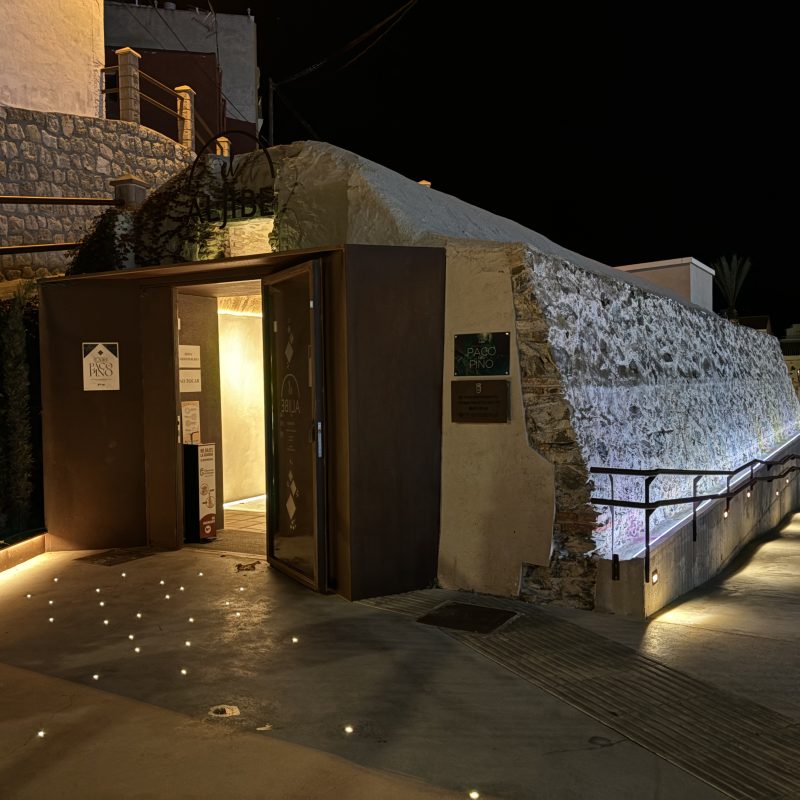
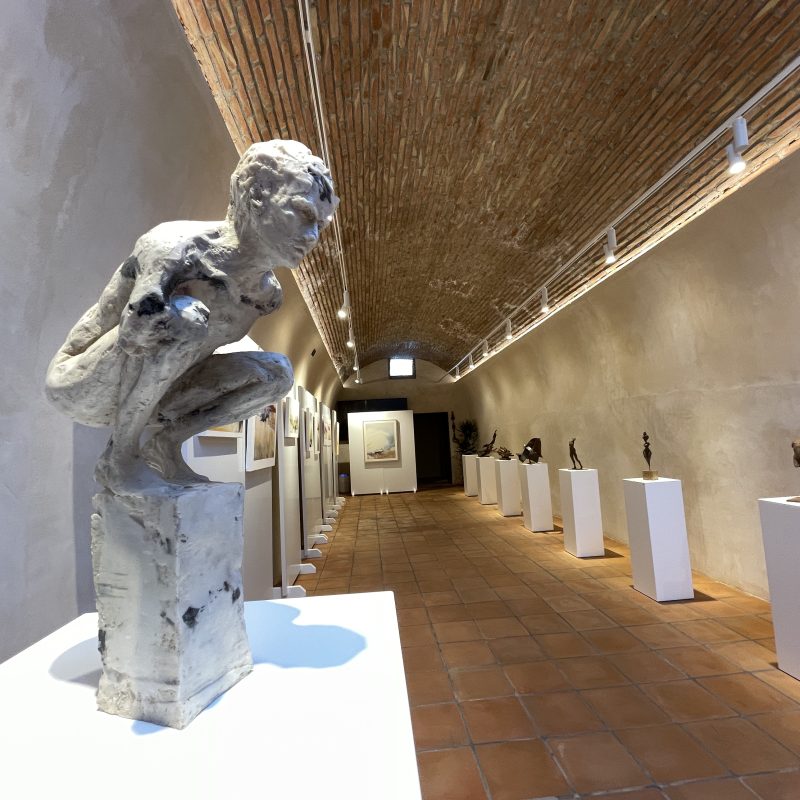
The cistern, a structure built during the first half of the 20th century, maintained a fundamental historical connection with the Vega of Motril, as it was directly linked to a branch of the Guadalfeo River irrigation channel system and supplied water to the surrounding agricultural fields. However, with the arrival of municipal water supply networks, it gradually fell into disuse, and its structure remained abandoned for years beside the N-340 road.
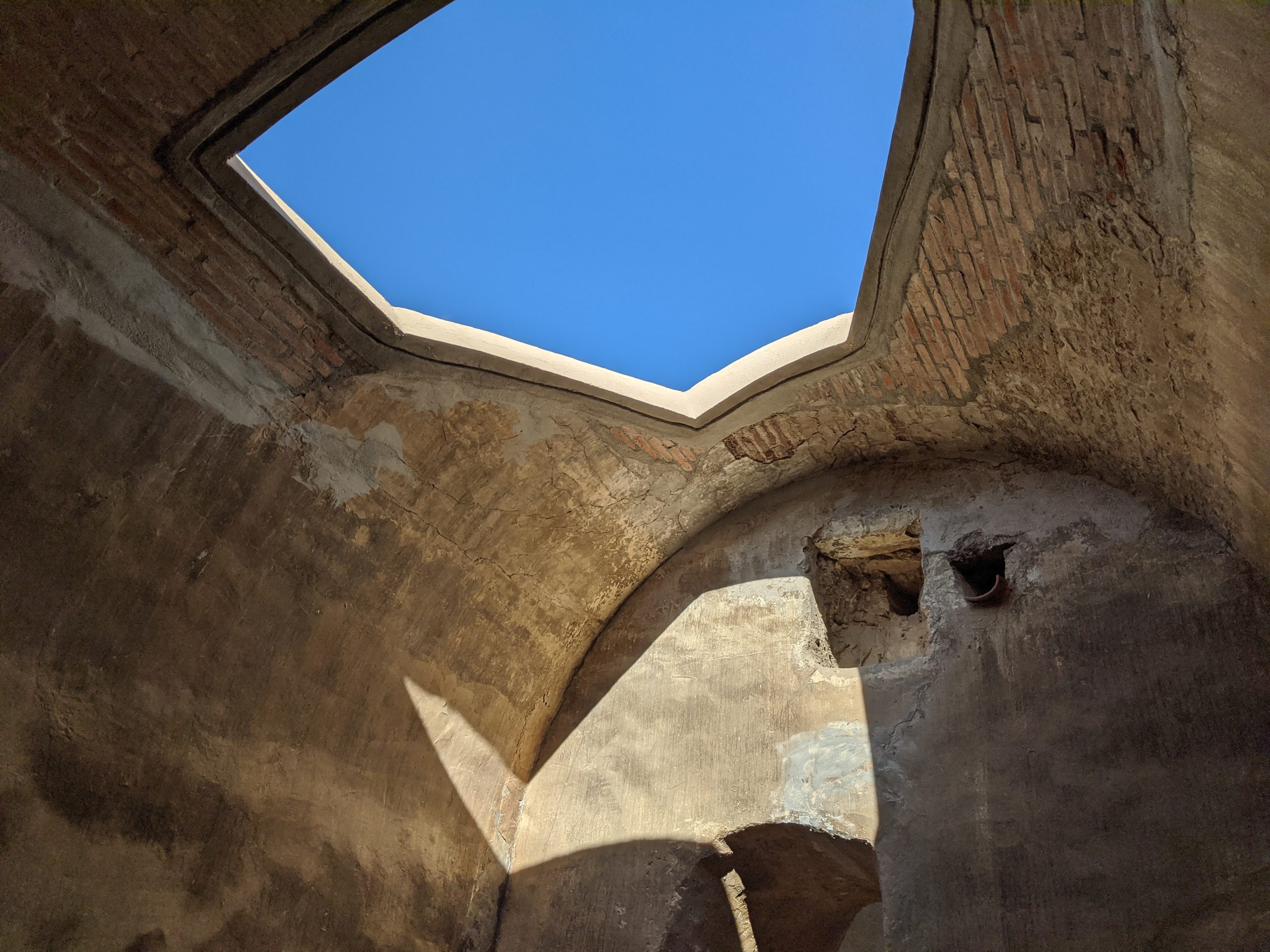
The construction rested on a rectangular masonry base and a course of solid ceramic bricks supporting its walls and barrel vault. Over time, the roof of the cistern collapsed, while wild vegetation spread across much of the structure and its surrounding area.
In June 2019, the Town Council initiated a restoration process, recognising the importance of preserving this historical legacy and taking an essential step towards rescuing and revitalising this hydraulic structure, which over time had acquired significant ethnographic and heritage value.
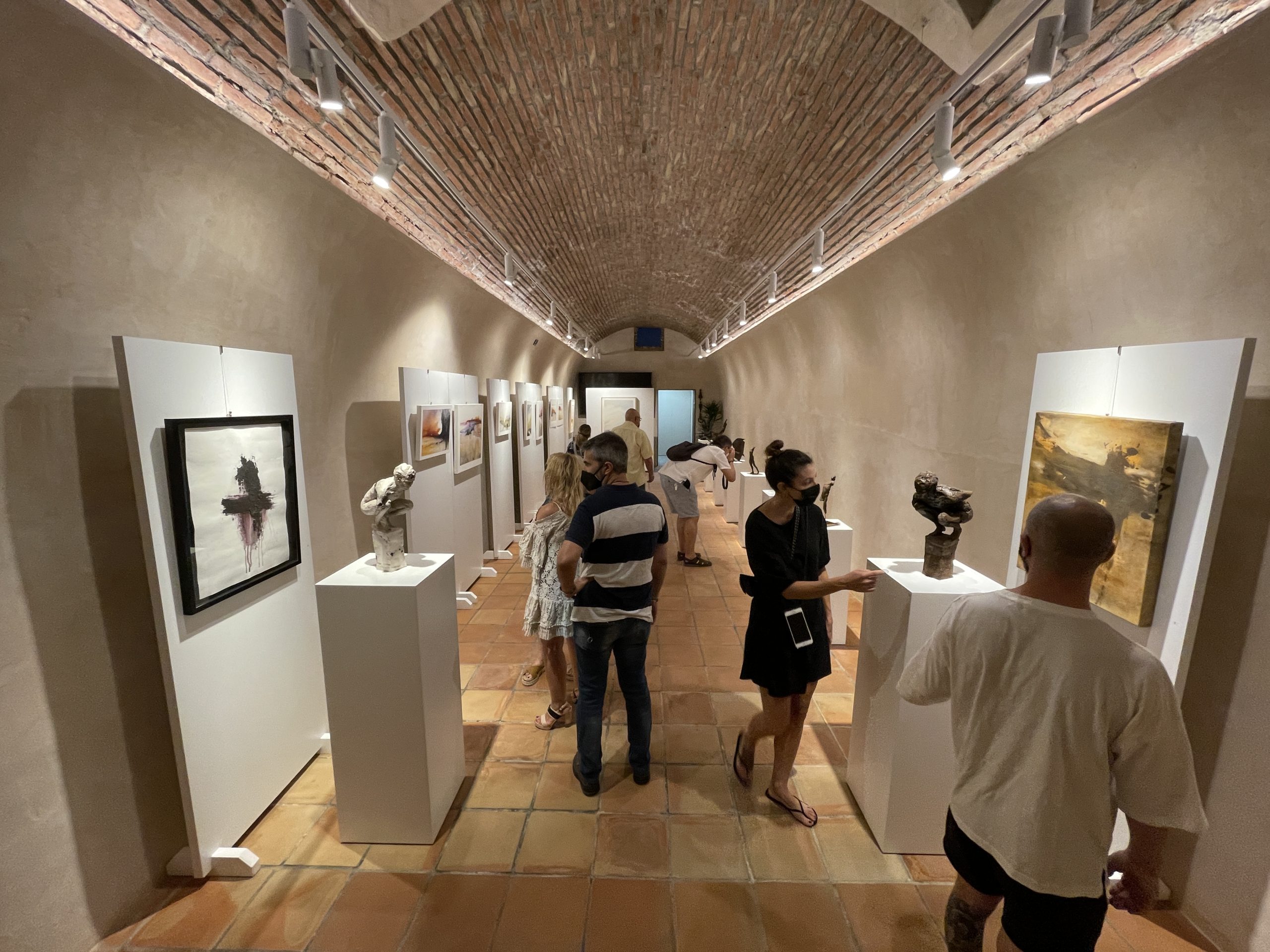
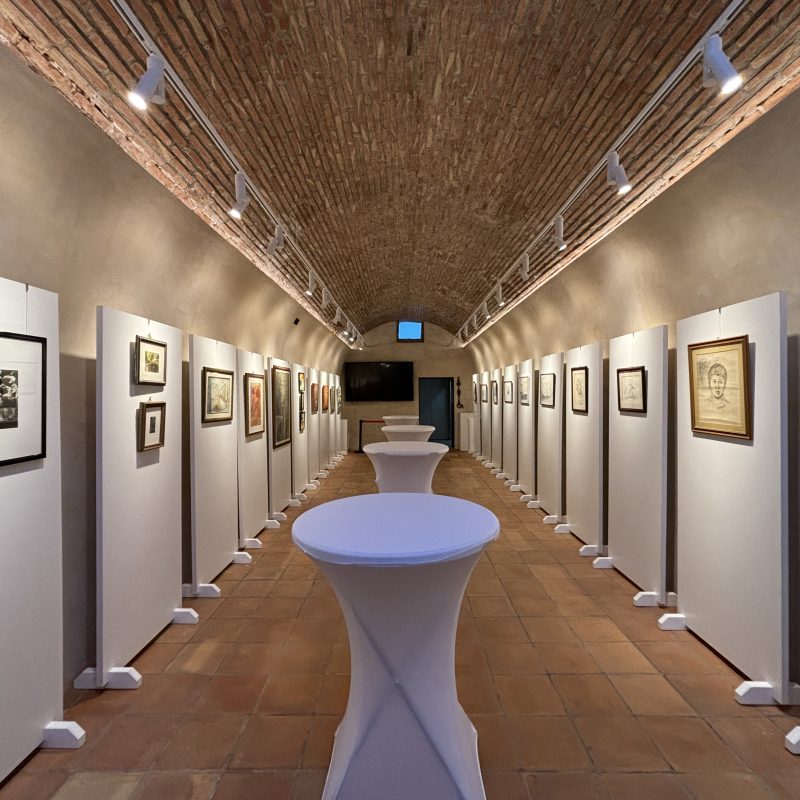
Since its reopening in 2021, the restoration has provided an opportunity to recover part of the region’s history and transform the site into a cultural space where artists of many disciplines have been able to exhibit their work for the enjoyment of both local residents and visitors.
In December 2023, the site was officially renamed as El Aljibe: Oasis Cultural Paco del Pino, in posthumous tribute to the local artist whose works were admired both nationally and internationally. For him, El Aljibe represented the sixth oasis of the municipality, alongside those facing the sea: an oasis dedicated to culture, art, music, and history that continues to define the space today.