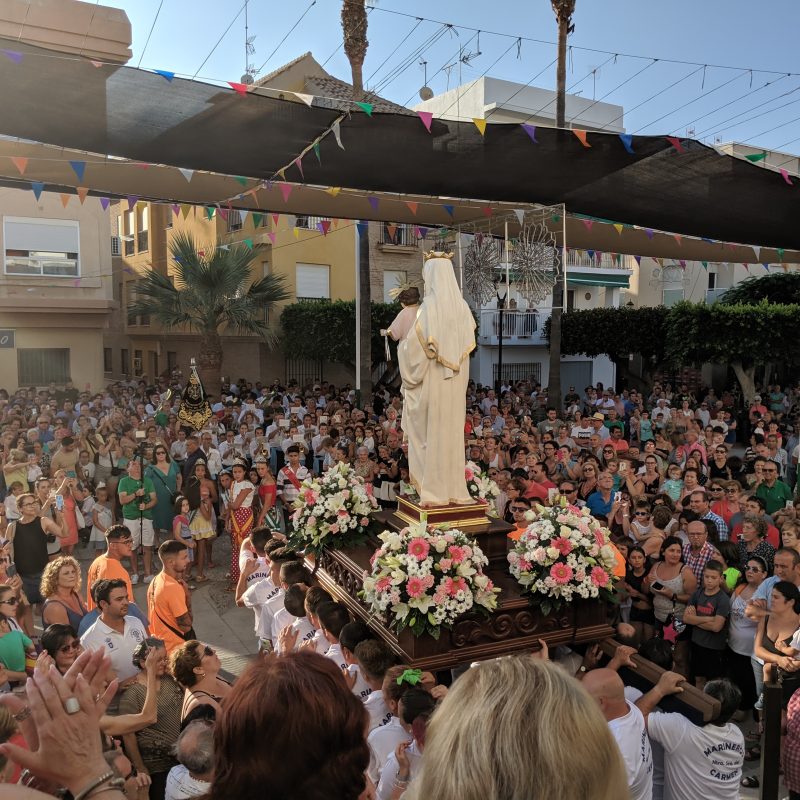
The Church of Our Lady of Carmen is a Catholic place of worship whose construction began in 1970 and was inaugurated on July 12, 1972, coinciding with the feast day of the Virgin of Carmen, patron saint of sailors.
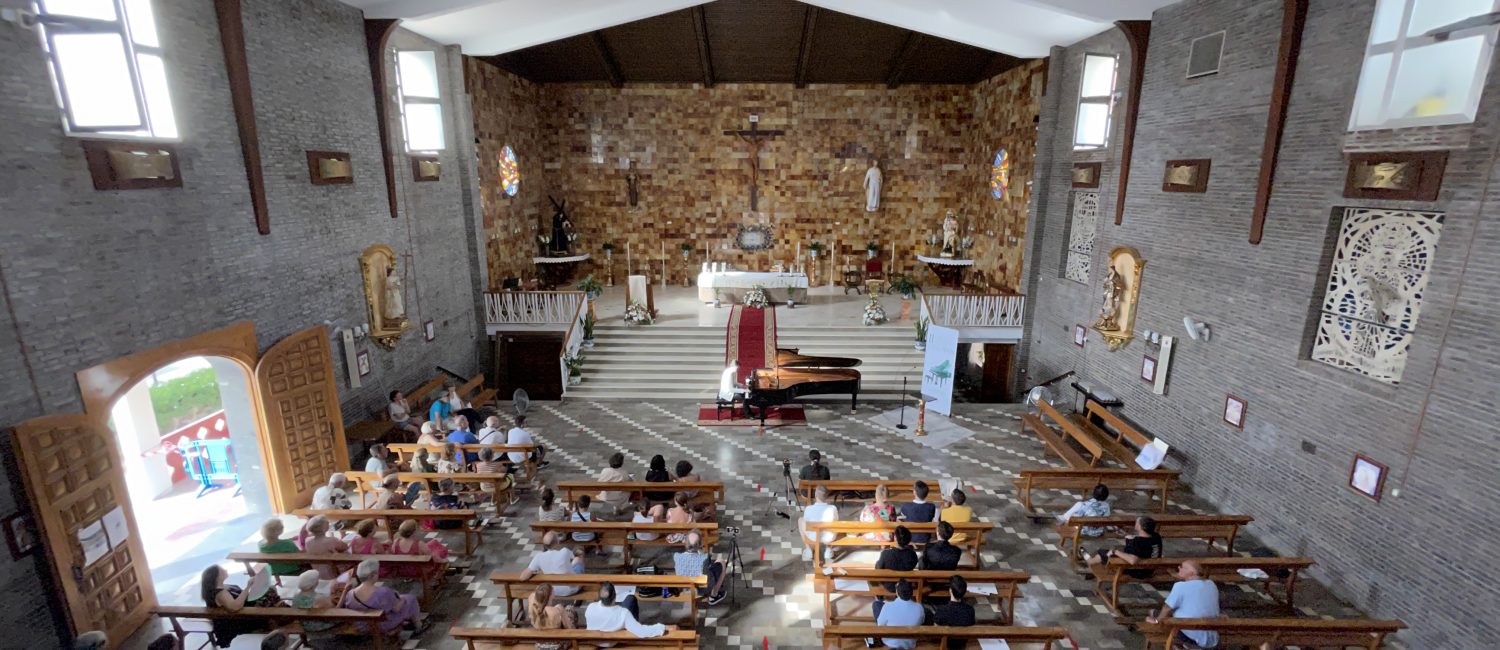
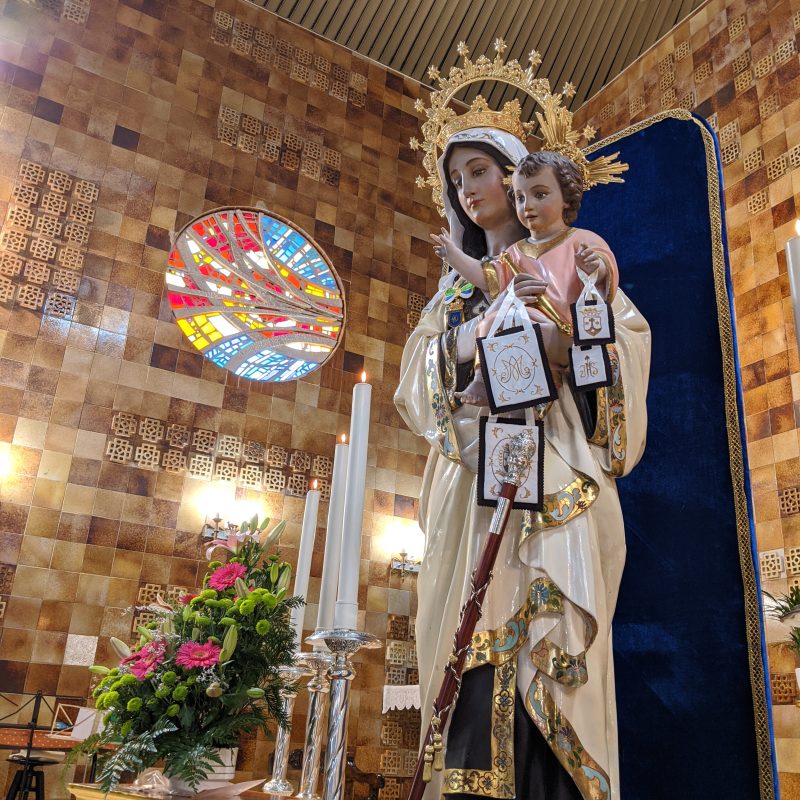
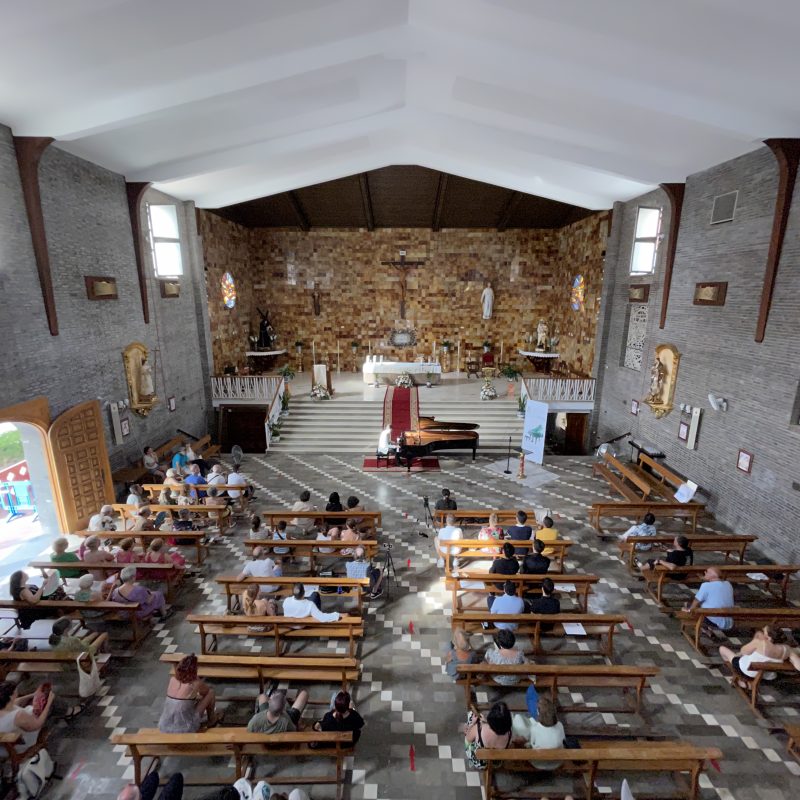
It is located on the seafront promenade facing the sea and is close to other tourist attractions in the town. The church has a single nave with a wooden roof structure and a presbytery where the main altar is located. At the rear of the church, there is a small side chapel dedicated to the Virgin of Carmen, where an image of the patron saint is venerated.
The Church of Our Lady of Carmen is a beloved place of worship for local residents, who regularly attend masses and other religious ceremonies. In addition, the church also serves as a meeting point for the community, hosting different social and cultural activities throughout the year, such as the recent F. Chopin International Piano Competition and regional choir recitals at Christmas.
A chapel for hope
The history of this church and the devotion to its patron saint dates back to the late 19th century. A prominent figure of the Spanish aristocracy visited what was then a small cluster of houses where women mostly cared for children and waited for the return of sailors who went out to sea.
María del Pilar de León y Gregorio, known as the Marchioness of Esquilache, was a Spanish aristocrat born in 1843 and died in 1915. She was an educated woman committed to education and women’s rights in Spain, who also stood out for her social and charitable work. She organized numerous charity events to raise funds and was highly regarded by the upper class of the time.
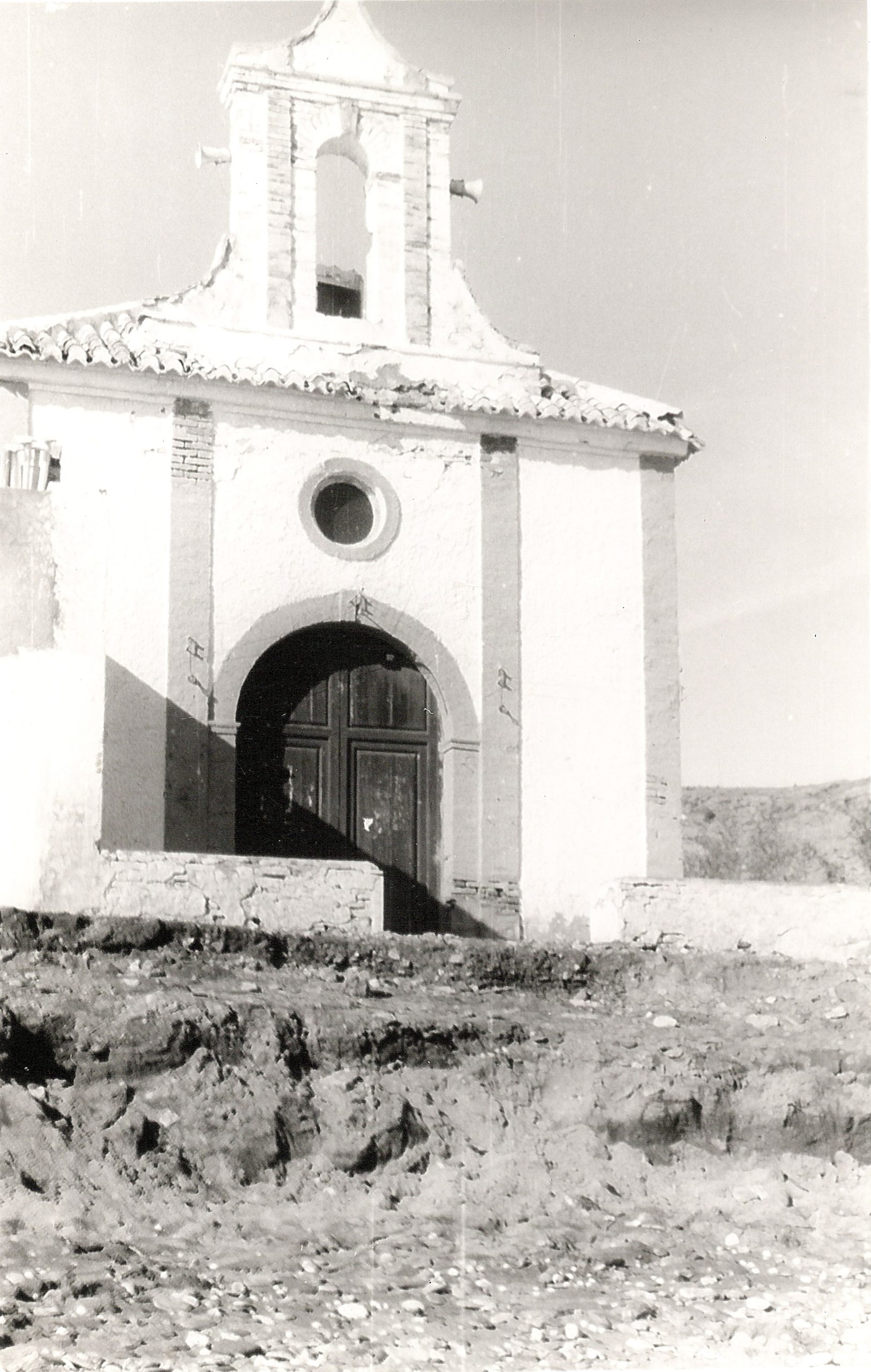
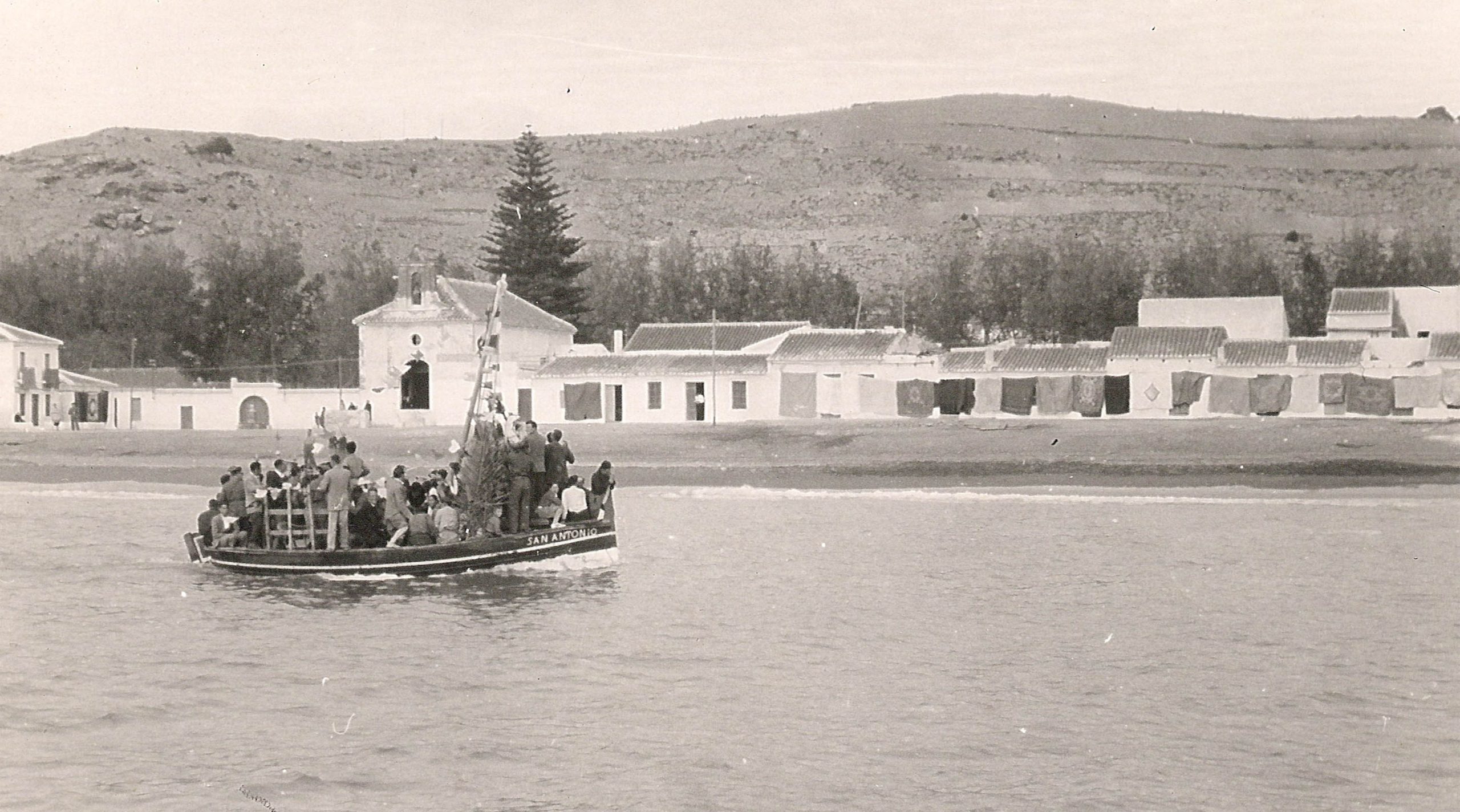
During her visit in 1897, she promised the people of Torrenueva to build a chapel that would allow them to pray and venerate the Virgin of Carmen, patron saint of sailors. It was on July 16 that this religious space was inaugurated. Over time, it required structural renovations due to corrosion caused by humidity in the materials and the harsh storms that struck the surrounding area.
It was then, with the arrival of the 1970s, that it was decided to build the church as we know it today, adapted to be accessible to all people, larger and safer.
Over time, the Church of Our Lady of Carmen has been an idyllic setting for thousands of religious events due to its charm and its sea views from Plaza San Juan de la Cruz, a popular spot at sunset for its fantastic views and a meeting place for various events throughout the year.
One of the most important events held in this sanctuary was the 2nd International F. Chopin Piano Competition, where musicians from different countries competed for the prize of best performer of Chopin’s works, with the Church of Our Lady of Carmen serving as the idyllic stage facing the sea with magnificent acoustics.
THE VIRGIN OF CARMEN
A symbol of hope
The ancient temple of Torrenueva Costa found its roots in the generosity of Mr. Lope Gisbert, who committed to financing its construction on February 21, 1884, before embarking for the Philippines. With the collaboration of the Marchioness of Esquilache, Mr. Antonio Jiménez Caballero, and the help of Mr. Francisco Pérez Santiago, the temple was inaugurated on July 16, 1897 in Plaza de San Juan de la Cruz on the seafront.
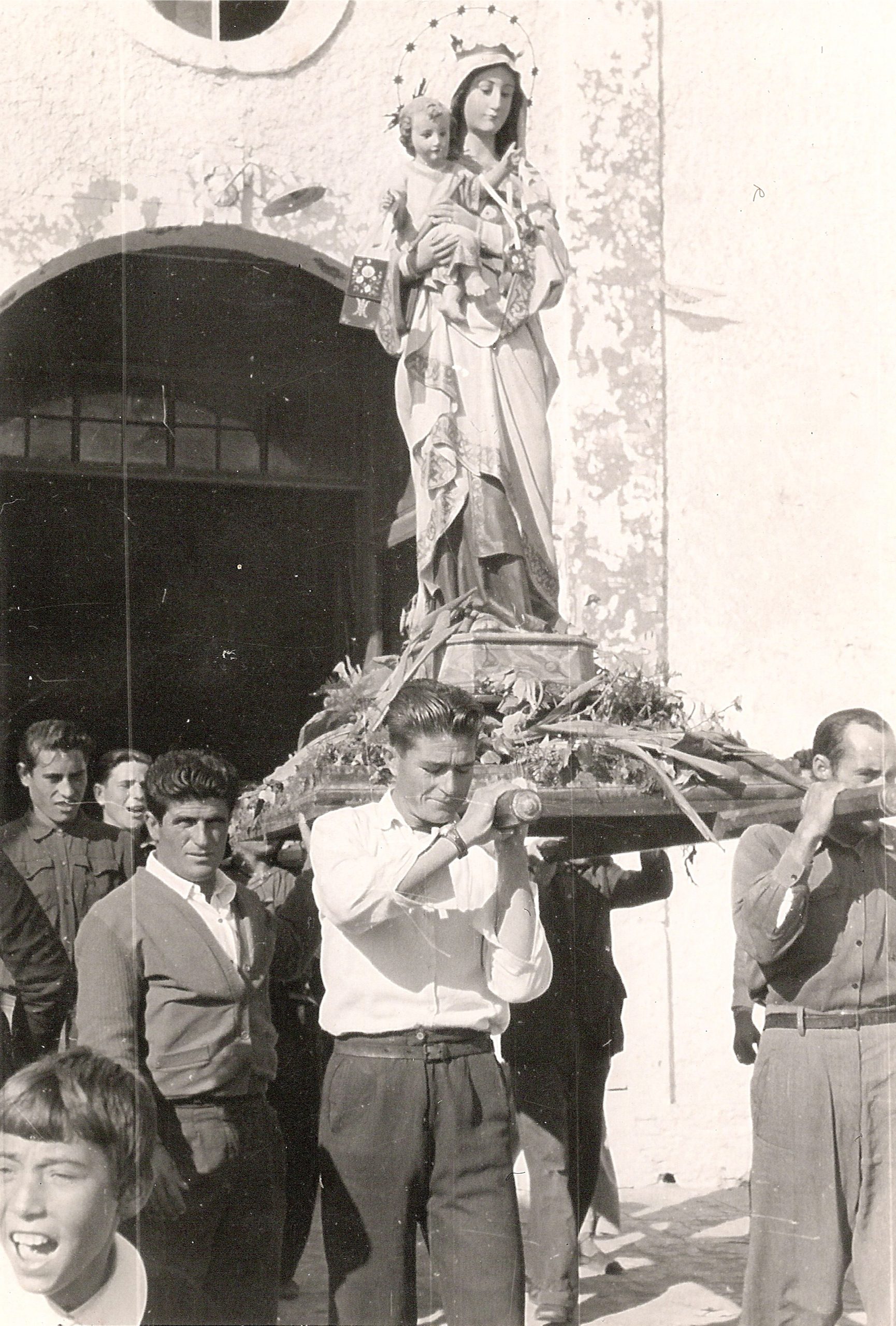
In July 1897, the parish priest of Motril, José Cambil, and the assistant priest of La Garnatilla, Miguel García, visited Granada to acquire ornaments intended for this temple under construction. The first image of the Virgin of Carmen, a fundamental piece for the temple, was a gift from the Marchioness of Esquilache, which tragically disappeared in April 1923 in a fire that consumed the altar.
Devotion persisted and a second image was created to restore hope to the villagers until, in the early months of the Spanish Civil War, the new Virgin was thrown into the sea along with other symbolic works. However, a collection organized by the Marian association “María del Sagrario” raised enough funds for the Granada sculptor Navas Parejo to create a replica of the lost image.
Thus, despite challenges and adversity, the community demonstrated its resilience and dedication, rebuilding the temple and recovering the image that had been destroyed. Therefore, the history of the ancient mosque and later Church of Torrenueva Costa is a testament to the strength of faith and community solidarity in the face of tragedy and a legacy of perseverance in devotion to the Virgin of Carmen.